
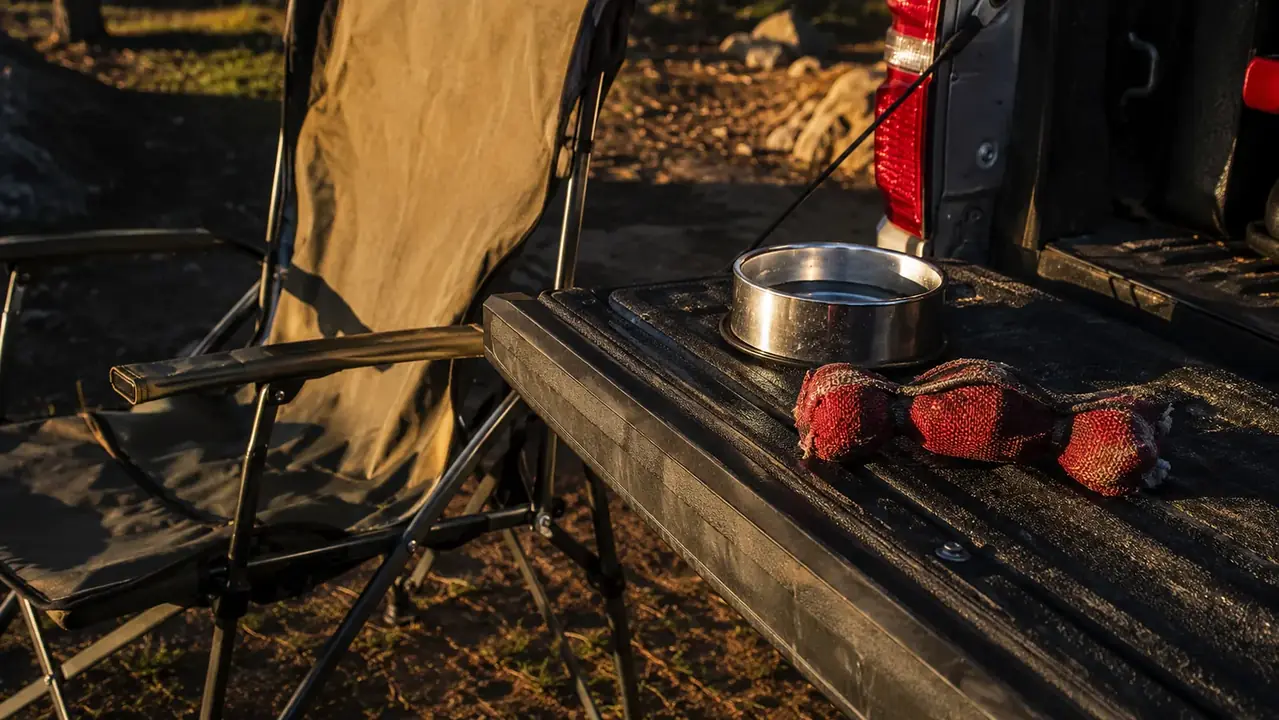
If you own a heavy chewer, you already know the routine. You pick up a toy stamped 'indestructible', hand it over, and forty minutes later you are sweeping foam pellets and frayed rope out of the yard. I have been through it with my lab mix, Bo. He is 82 pounds, chews like it is his full-time job, and has eaten a leash, two pairs of bootlaces, a camp chair strap, and the corner of one truck seatbelt cover for starters. Rawhide vanished in minutes. The rubber toys with the squeakers lasted a weekend. So when the Nylabone Lobster Power Chew showed up, I did not expect much. Six months later, it is the only chew toy in the house that is still whole, and that surprised me enough to write this down.
This is a long-term review, not a first-week impression. I want to tell you what this thing actually looks like after half a year of daily chewing, how often it needs a replacement, and the honest limits I hit when Bo decided he was done with it. No marketing talk, just what a 9-year-old chewer and his owner have been through together.
The Quick Verdict
Six months in, the Nylabone Lobster Power Chew is the one toy my heavy chewer has not destroyed. It is tough, holds flavor longer than I expected, and cleans up in the sink. It is not truly indestructible, and you still have to supervise and size it right, but for the money it outlasts every soft toy we ever bought.
Amazon Check Today's Price →The only chew toy that outlasted our 82-pound chewer
Bo put this lobster through six months of daily abuse and it is still in one piece. If you are tired of buying toys in bulk, this is the one to try first.
Amazon Check Today's Price on Amazon →How I've Used It
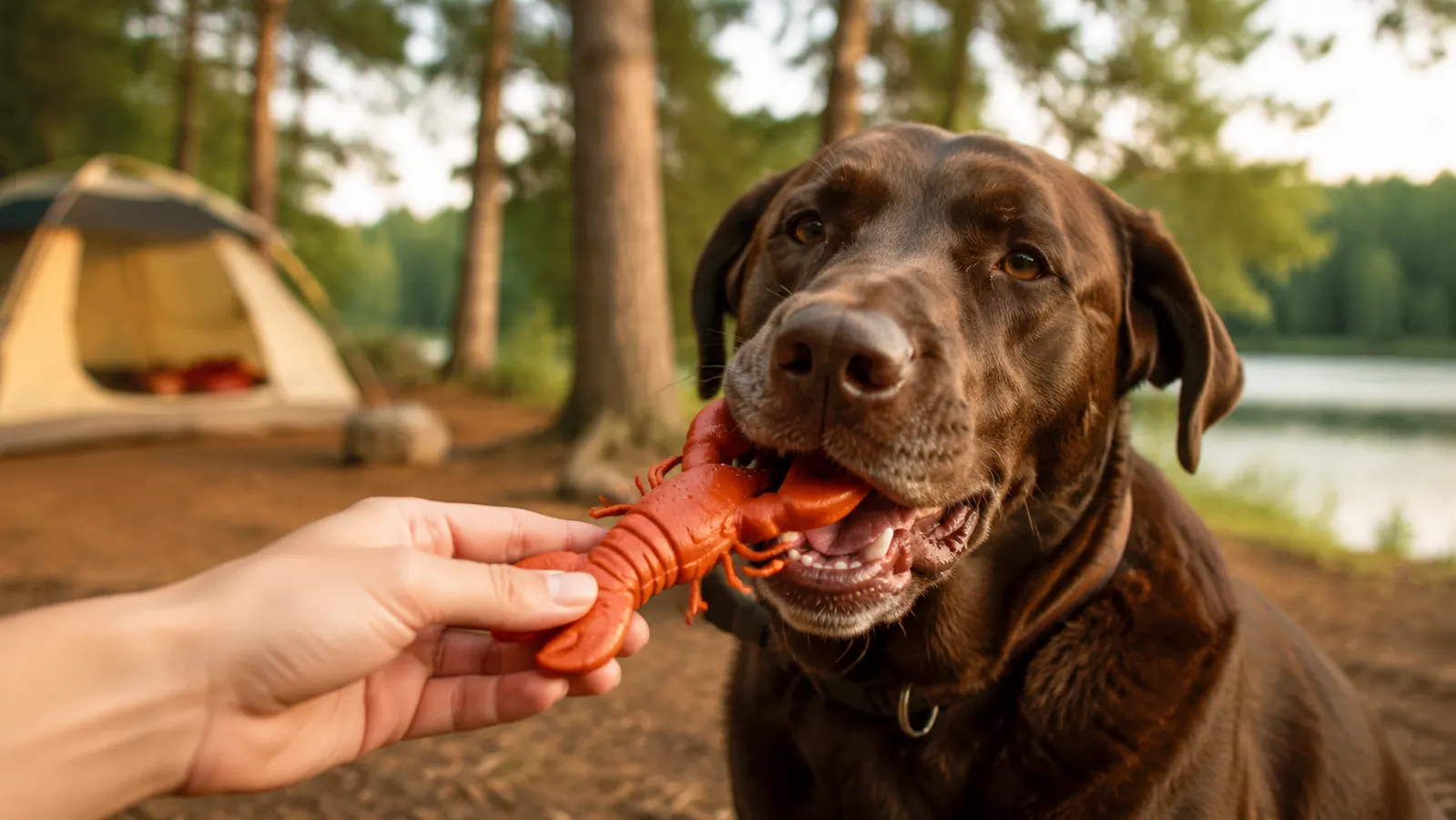
Bo is a rescue, a lab-pit mix we picked up from a shelter in 2021, and he has always been a mouth dog. When he is nervous, bored, or just parked at camp after a long hike, he needs something to chew on or he finds his own project. Before the Nylabone, that project was usually my gear. I put the Power Chew to work in three places: the truck cab on the drive to trailheads, the campsite where he settles by the fire at night, and the living room when the weather is too bad to be outside.
I did not ease him into it. I handed him the lobster and let him go to town, because that is how our house works. For the first week he worked it like he was trying to eat it out of spite. He drooled on it, dropped it in the dirt, and gnawed the claws until my knuckles ached just watching. By week two the novelty settled and it became his default: when nothing else was happening, the lobster was in his mouth.
Through six months that included a couple of wet deer-camp weekends and plenty of muddy trail days, the chew went in the dishwater with his bowls every couple of weeks. That is the part I did not expect to like so much. There is no stuffing to shake out, no fabric to hold mud, and no odor after a rinse. It is a single solid piece of nylon, so cleaning is genuinely a non-event.
The truck cab turned out to be where the lobster earns its keep most weeks. Bo rides along to trailheads and fishing spots, and a bored 82-pound dog in a moving truck is a fast way to a chewed seatbelt. On the drive up I hand him the lobster and he works it with both paws wrapped around it, the same grip he used to use on bootlaces. It keeps him settled for the whole ride, and it is loud enough that I can hear when he has set it down, which is my cue that he is winding down and not just waiting me out.
What We Tried Before, and Why We Stopped
Before the lobster, our house was a graveyard of chew toy fads. Rawhide was the first casualty, gone in under an hour, and the knotted ends made me nervous the whole time he worked them. Yak chews cost more per chew session than a steak dinner and still cracked into shards. Antlers were the closest thing to a win, until Bo snapped a point off one and I spent the evening wondering if he had swallowed a splinter. Rope toys stopped being toys and became a game of pickup once he unbraided one in the back of the truck.
The pattern was identical every time. Either the toy did not match Bo's power level, or it broke into pieces small enough to worry about, or it was so unpleasant that he ignored it and went straight back to my boots. What finally stuck with the Nylabone is that it matches the job: dense, a single solid piece, big enough that there is nothing to swallow whole, and flavored well enough that he actually wants it. It is not that nylon is magic. It is that the design finally matched the dog.
The Nylon Recipe and Why It Holds Up
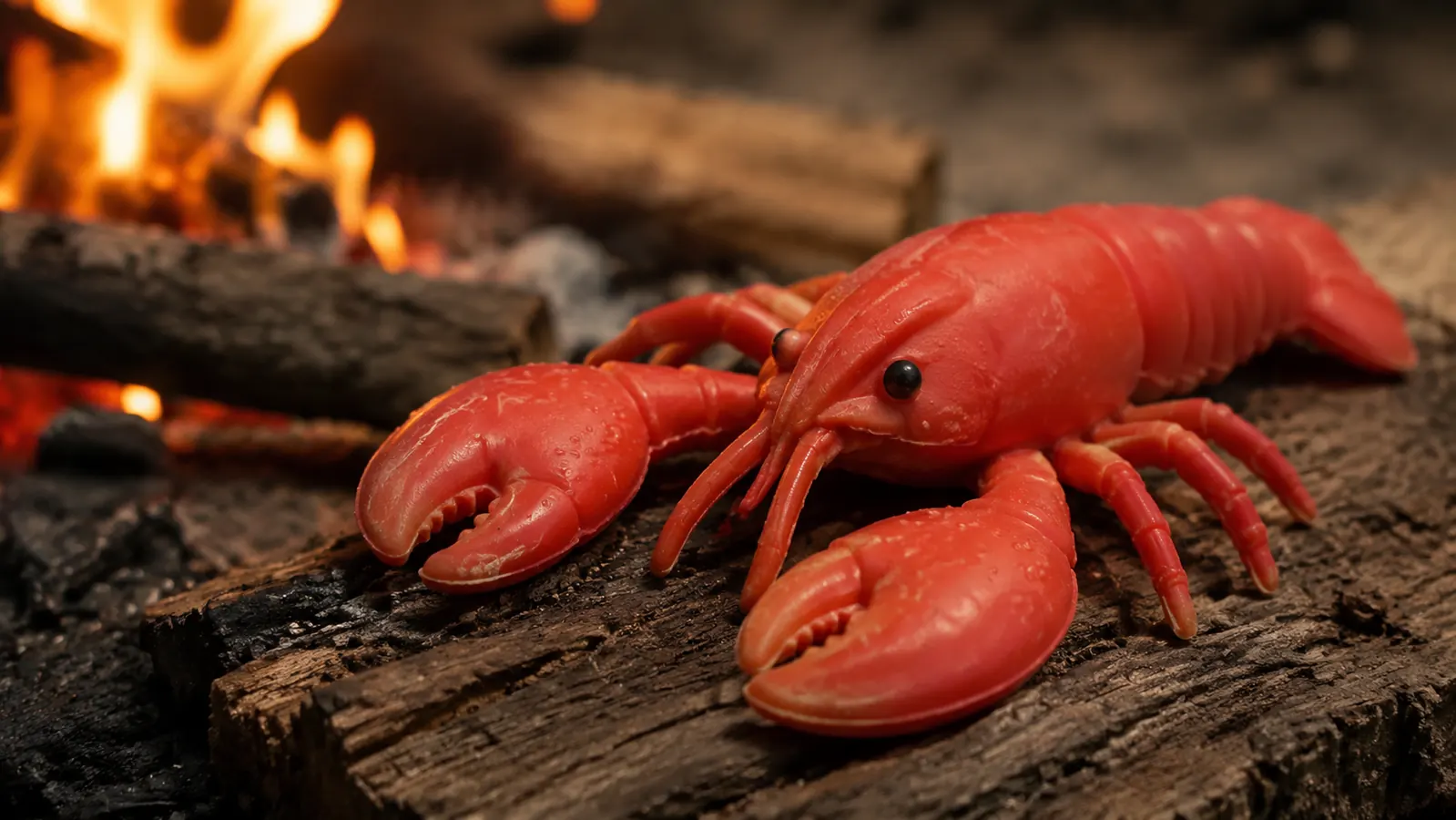
The Power Chew line is Nylabone's answer to the heaviest chewers, and the lobster is the x-large size meant for dogs over about 50 pounds. The material is a dense nylon, not the softer stuff on their lighter lines. In my hands it has almost no give. It is firm enough that a determined dog really has to work at it, which is exactly what you want if the goal is to burn an hour of chewing energy instead of destroying something.
This one comes in filet mignon flavor, which sounds funny for a toy, but the smell is the whole point for a food-driven dog. Bo does not chew plastic because it tastes good on its own. He chews because he smells something meaty, and Nylabone bakes a flavor into the nylon that holds up for far longer than a flavored coating. After a month of use I could still see and smell it. By month three it faded, but the chewing habit had already stuck, which matters more than the flavor lasting forever.
One thing worth knowing is that the shape matters as much as the material. The lobster is not a flat slab of plastic. The claws, legs, and tail give Bo corners to grip and a body big enough to pin between his paws, so he can really work it instead of just mouthing it. That is a big part of why he sticks with it for an hour at a stretch instead of dropping it in ten minutes.
Six Months of Wear: The Honest Timeline
Let me be straight about the durability, because that is the whole reason anyone buys one of these. After six months of daily chewing, the lobster shows surface scuffs on the claws and legs, and the point of one claw is worn down. That is it. No chunks missing, no cracks, no exposed soft center, nothing Bo has managed to tear off and swallow. For a dog that destroyed a leash in an afternoon, that is not nothing.
It is not a forever toy, though. Anyone who tells you a nylon chew is indestructible is overselling it. Nylon wears down with enough chewing, and it is supposed to, in small shavings that pass through a dog fine. The job of the owner is to watch the wear. The rule I follow is simple: once a dog has worn the toy down small enough to swallow whole, or has chewed off a point and cracked the body, it is time to replace it. Bo is not there yet after six months, but at the rate those claws are flattening, I expect to replace it around the one-year mark. For a toy that costs about what I used to spend on a week of destroyed rawhide, that is a fair trade in my book.
It also cleans up better than anything else we have owned. When it comes home from camp dusty or coated in drool, I run it under hot water with a little dish soap and a scrub brush. Ten seconds of work and it looks close to new. No stuffing to milk out of the seams, no soggy rope core, no smell for bacteria to hide in. That is the difference between a toy you actually maintain and a rope you eventually toss out.
Sizing and Supervision Really Matter
The biggest mistake people make with any chew toy is buying the wrong size. If you hand an x-large toy to a tiny dog, they cannot get enough of it in their mouth to actually be satisfied, so they give up. If you hand a small toy to a big dog, they can crack it or work it into a piece they could choke on. Nylabone prints the weight range right on the package. For our 82-pound Bo, the x-large lobster is the right call, and I would not go below it for any dog over 50 pounds.
If you have more than one dog, sizing gets easier in one way: the weight ranges are printed, so you can match each dog instead of guessing. Our camp dog, a 45-pound pointer, gets the next size down, because an 82-pound dog's toy is too big for him to get a proper hold on, and a toy that a dog cannot grip is a toy he will abandon in ten minutes. Sizing each dog correctly is most of the battle, and it is the step most people skip.
Supervision is the other half. No chew is safe if you leave a determined dog alone with it and ignore it for hours. I keep an eye on the wear, take it away when it gets small, and never leave Bo crated with a toy I have not inspected that day. That is not paranoia, it is just how you keep a heavy chewer out of the emergency vet's office. The Nylabone is tough, but it is not a babysitter.
The Tradeoffs Nobody Mentions
For all that it lasts, the Power Chew is not for every household, and I would not pretend otherwise. It is hard nylon, so a dog with a young or already-sore mouth, or a senior dog with dental problems, should not be chewing on it. Bo is in his prime with good teeth, so it works for us, but I would not give one to a puppy or to an older dog with cracked molars. Run it by your vet if your dog has any dental history. And if your dog is a gentle chewer who just likes carrying something around, buy the soft toy. The Power Chew is a power tool, not a cuddle buddy, and there is no shame in owning both.
The other thing is that it is not engaging the way a treat toy is. This is a chew-to-relieve-stress toy, not a puzzle that pays out dinner. Dogs who need mental stimulation over jaw workout will get bored of it fast. Bo loves it because chewing is his thing. A dog that is more play-driven than mouth-driven might ignore it entirely. Know your dog before you buy, and buy for the dog you have, not the dog the packaging pictures.
What I Liked
- Outlasted every soft and rubber toy in the house over six months
- Flavor baked in rather than coated on, so it lasts for weeks, not minutes
- Single solid piece of nylon, no stuffing, rinses clean in the sink
- Appropriate for genuinely aggressive chewers when sized right
- Has kept Bo away from bootlaces, leashes, and camp chair straps
Where It Falls Short
- Hard nylon is not right for puppies, seniors, or dogs with dental issues
- Not a treat or puzzle toy, so play-driven dogs may lose interest
- It is tough but not indestructible, and needs periodic replacement and supervision
- Flavor fades after a couple of months of heavy use
Six months of daily chewing and the only thing missing is the point of one claw. For a dog that eats leashes, that is the whole review.
Who This Is For
This toy is for the owner of a genuinely heavy chewer who is tired of the bulk-buy cycle. If your dog destroys rawhide in minutes, rips the squeaker out of every rubber toy, and treats your gear as a snack, the Nylabone Power Chew is a solid first stop. It is also a good match if you spend time outdoors like we do, because it is tough enough to survive the truck, the campsite, and the mud without needing a deep clean after every trip. For us it is also a peace-of-mind thing. When I leave a camp chair out at night, I do not have to check the strap for tooth marks in the morning.
Who Should Skip It
Skip it if you have a puppy, a senior dog with sensitive teeth, or any dog with a history of dental trouble, because hard nylon is too much for mouths like that. Skip it if your dog needs mental games more than jaw exercise, because a dog that is not a natural mouther will likely ignore the lobster no matter how durable it is. And skip it if you expect a truly indestructible, set-it-and-forget-it toy, because no nylon chew is that, and anyone promising you one is not being straight with you. Save your money and buy something that matches your dog's mouth and style.
Give your chewer a project they will actually finish
Six months of daily abuse and still one piece. Check today's price and see whether the lobster outlasts your chewer the way it did ours.
Amazon Check Today's Price on Amazon →